Pin Hole Tester
Description
Pinhole Testing Machine for Dissolved Hydrogen in Molten Aluminum
In aluminum casting, dissolved hydrogen can contribute to gas porosity and affect the quality of finished castings. Therefore, checking molten aluminum quality before casting is an important part of the production process.
A Pinhole Testing Machine provides a practical method to evaluate dissolved hydrogen in molten aluminum using a vacuum solidification test.
What Is a Pinhole Testing Machine?
A Pinhole Testing Machine is used to evaluate the hydrogen-related porosity potential of molten aluminum.
The test uses a simple principle. When a molten aluminum sample solidifies under vacuum, dissolved hydrogen forms gas bubbles inside the sample.
The resulting porosity provides an indication of the dissolved hydrogen content in the molten metal.
How Does Pinhole Testing Work?
The testing process involves several simple steps:
1. Take a Molten Aluminum Sample
First, the operator takes a representative sample of molten aluminum from the furnace or holding system.
2. Place the Sample Under Vacuum
The sample is poured into the testing vessel and exposed to vacuum conditions.
During solidification, dissolved hydrogen forms gas bubbles within the aluminum sample.
3. Examine the Solidified Sample
After solidification, the sample can be cut open to visually examine the pin holes and internal porosity.
The sample can also be measured for density. This provides an indirect indication of dissolved hydrogen content.
Why Is Pinhole Testing Important?
Hydrogen-related porosity can affect casting integrity and product quality.
Regular pinhole testing can help foundries:
- Monitor molten aluminum quality
- Evaluate hydrogen-related porosity
- Check degassing effectiveness
- Identify changes in melt condition
- Support better casting quality
- Reduce hydrogen-related casting defects
As a result, pinhole testing can become a useful part of a broader aluminum melt quality control process.
Pinhole Testing and Aluminum Degassing
Pinhole testing can also help evaluate the effectiveness of a rotary degassing process.
For example, operators can test the melt before and after degassing. The resulting samples can then be compared to determine whether the treatment has improved the melt condition.
This approach helps connect degassing performance with measurable melt quality.
Pinhole Testing for Aluminum Foundries
Pinhole Testing Machines are suitable for aluminum melting and casting operations where hydrogen control is important.
They can support applications such as:
- High Pressure Die Casting (HPDC)
- Low Pressure Die Casting (LPDC)
- Gravity Die Casting (GDC)
- Aluminum foundries
- Aluminum melting and holding operations
The test provides a simple way to check molten aluminum before it enters the casting process.
NIKKIN FLUX Pinhole Testing Machine
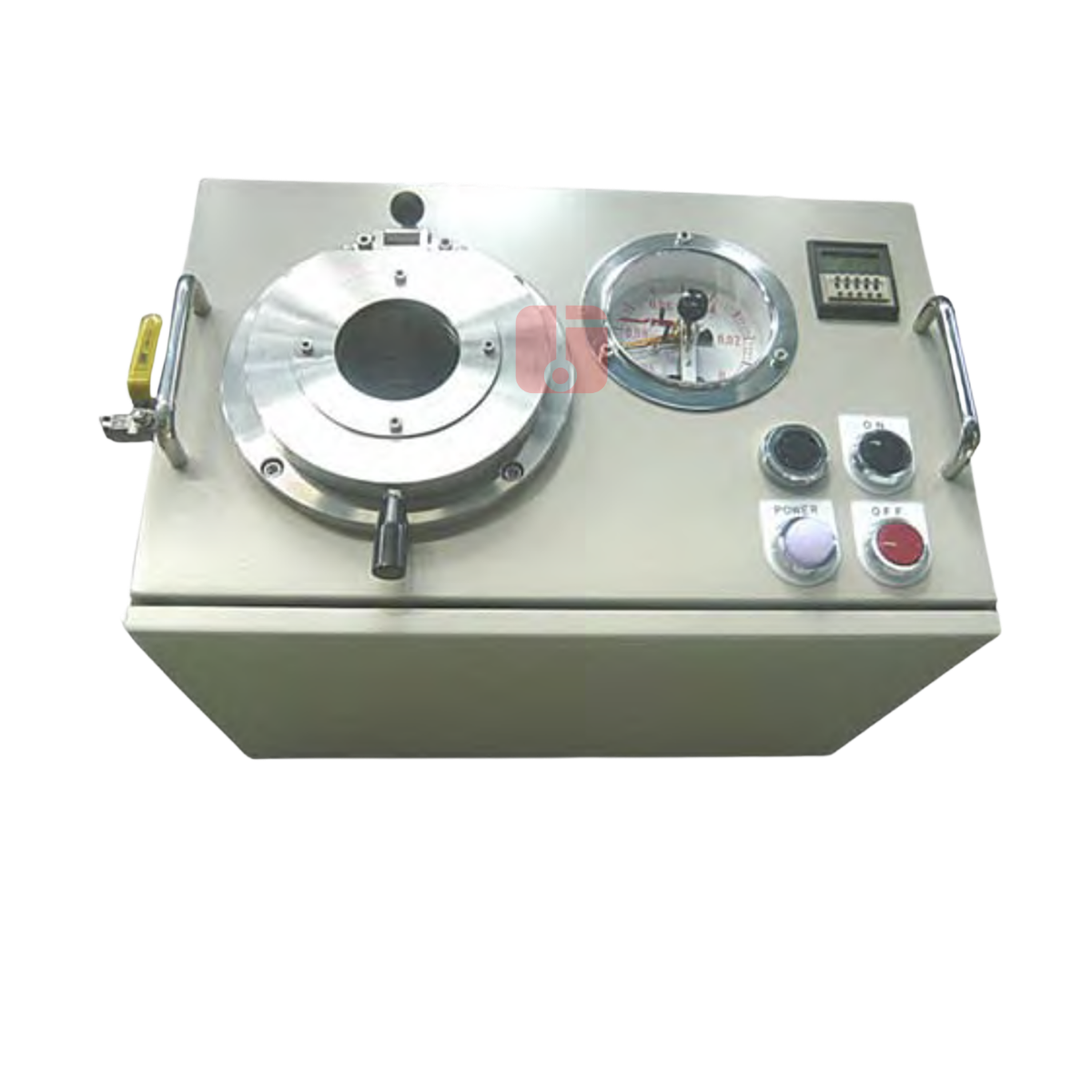
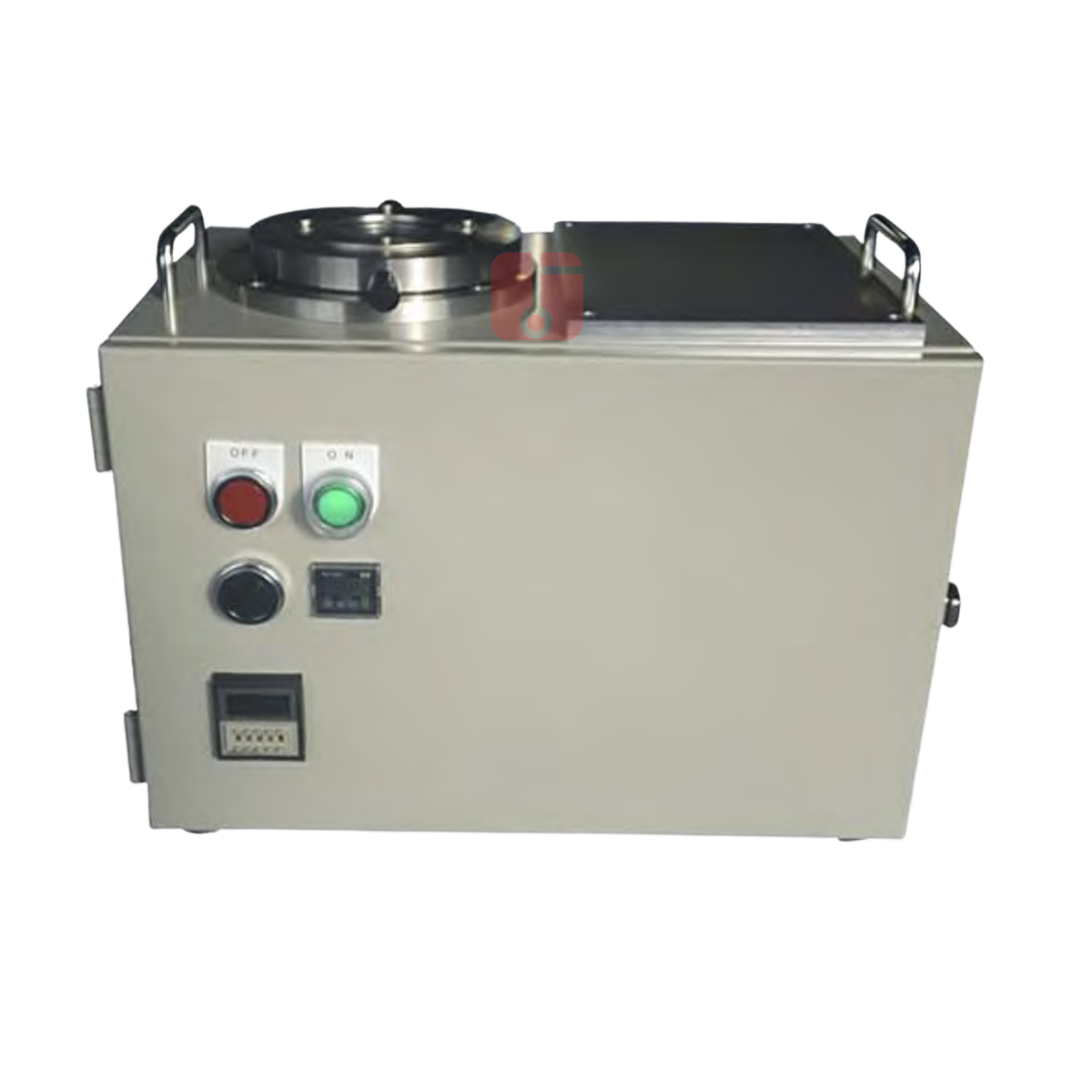
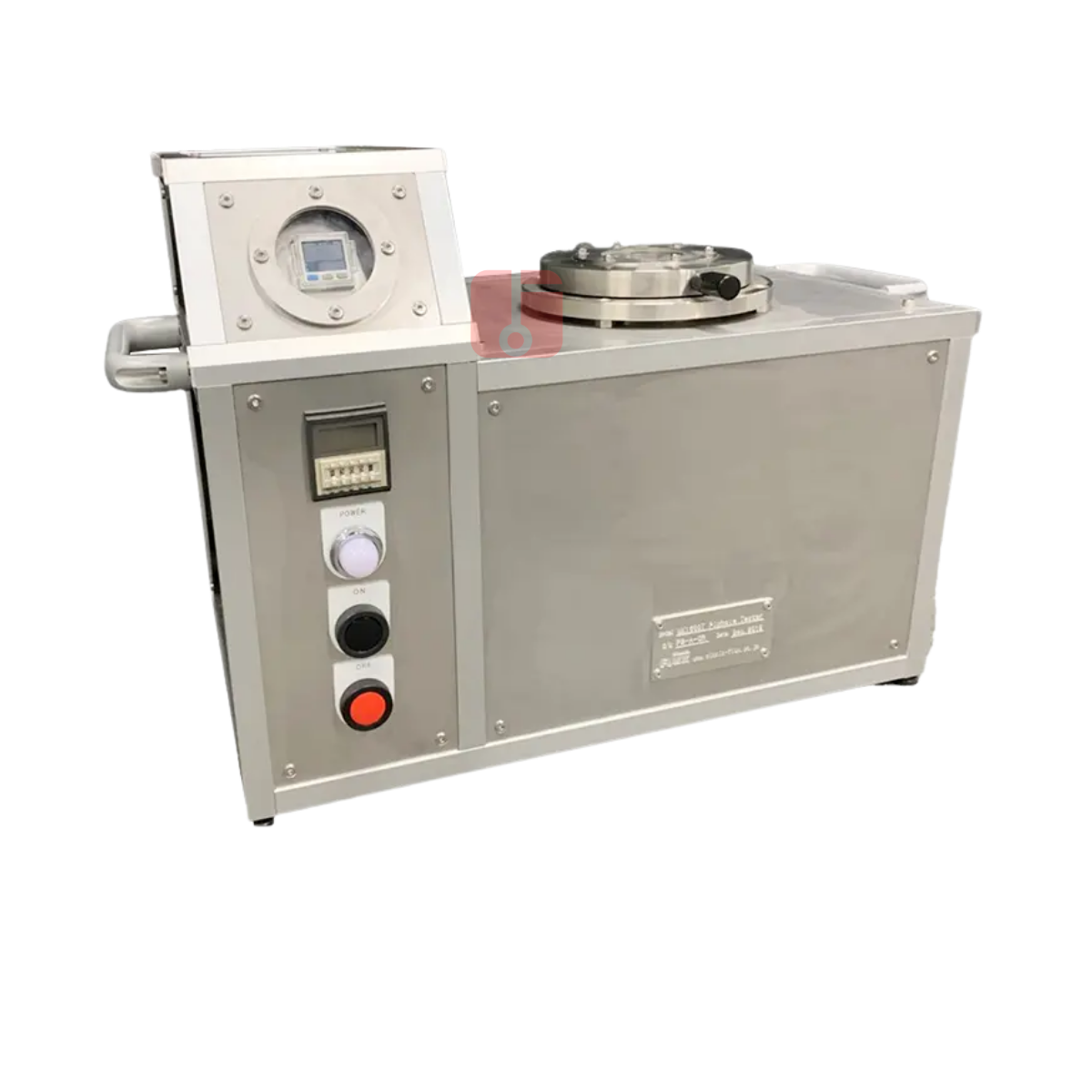
NIKKIN FLUX provides a Pinhole Testing Machine based on the Decompression Coagulation Method.
The system evaluates dissolved hydrogen by observing the porosity formed when a molten aluminum sample solidifies under vacuum.
After solidification, users can examine the sample visually or measure its density as an indirect indication of dissolved hydrogen content.
NIKKIN FLUX offers a practical solution for foundries that need a straightforward method to monitor molten aluminum quality and hydrogen-related porosity.
Improve Your Aluminum Melt Quality
Pinhole testing provides valuable information before casting.
When combined with rotary degassing, Density Index measurement, and other melt treatment methods, it can help foundries build a more complete molten metal quality control process.
PT Wilisindomas Indahmakmur provides aluminum melt quality solutions for foundries and die casting manufacturers in Indonesia.
Contact us to learn more about the NIKKIN FLUX Pinhole Testing Machine and find the right solution for your aluminum melt quality requirements.