Fluxes – Magnesium/Calcium Remover
Deskripsi
Magnesium and Calcium Removal Flux for Aluminum Melt
In aluminum melting and die casting, melt composition has a direct impact on casting quality.
Elements such as magnesium, calcium, sodium, and lithium can become unwanted elements in molten aluminum. Depending on the alloy and concentration, these elements can affect the final casting and the overall melting process.
Therefore, foundries need effective melt treatment solutions when the concentration of certain elements exceeds the required specification.
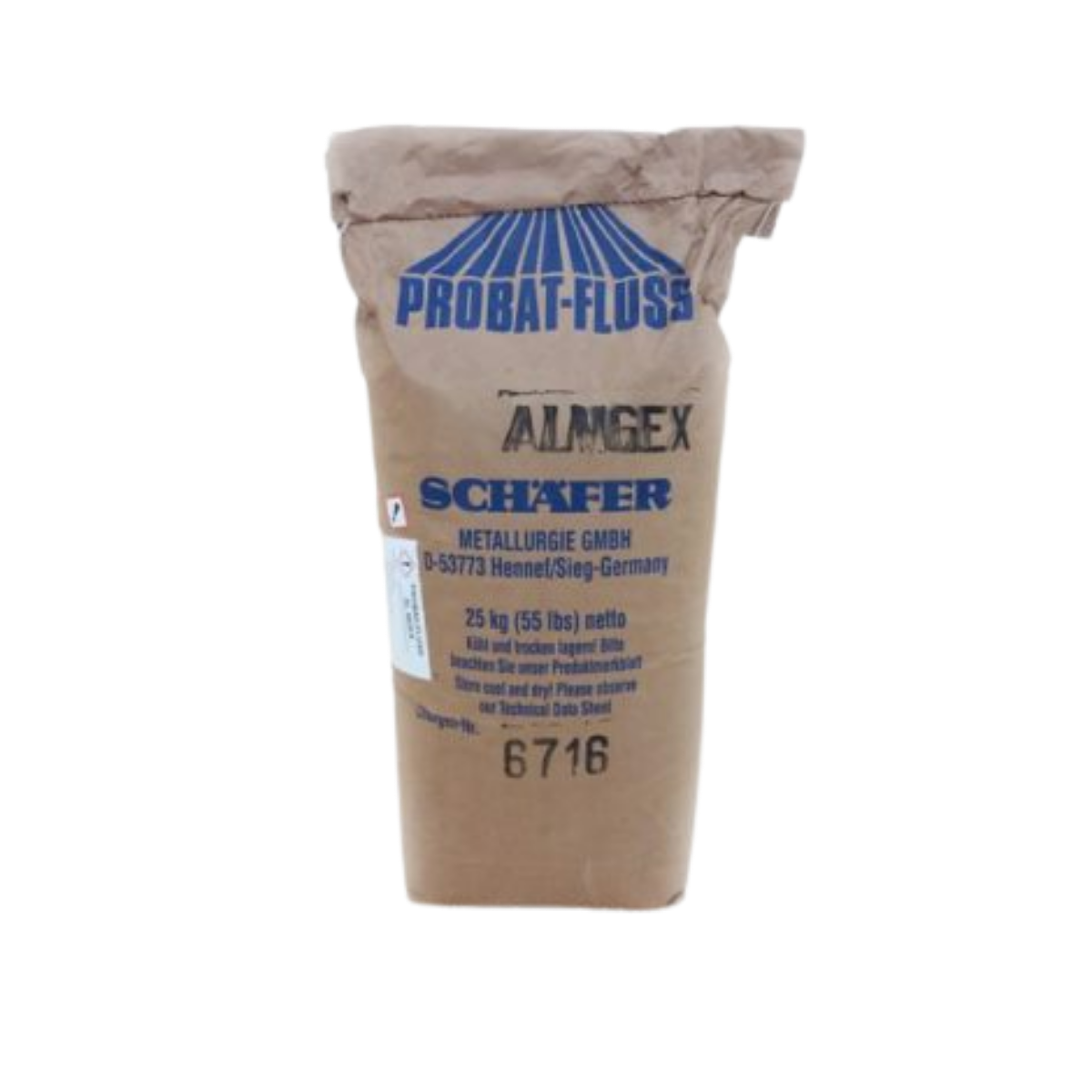
SCHÄFER Metallurgie offers specialized flux solutions designed to reduce unwanted magnesium, calcium, sodium, lithium, and other alkaline and alkaline-earth elements in molten aluminum. These fluxes can also help remove oxides from the melt.
Why Remove Magnesium and Calcium from Aluminum Melt?
Aluminum alloys require controlled chemical composition to achieve consistent casting performance.
However, unwanted elements can enter the melt through several sources. These can include raw materials, recycled aluminum, alloy additions, and process conditions.
For this reason, foundries may need an additional melt treatment step when melt analysis identifies excessive levels of certain elements.
A suitable magnesium and calcium removal flux can help reduce these unwanted elements through a controlled chemical reaction in the molten aluminum.
How Does Magnesium and Calcium Removal Flux Work?
Magnesium and calcium removal fluxes use chemical reactions to reduce unwanted elements in molten aluminum.
Depending on the flux formulation, the active components react with magnesium, calcium, and other unwanted elements. The reaction forms compounds that operators can subsequently remove from the melt.
The treatment generally follows several steps.
1. Prepare the Melt
First, operators should roughly skim the metal surface before adding the flux.
This step removes loose material from the surface and prepares the melt for treatment.
2. Add the Flux
Next, operators introduce the flux into the molten aluminum.
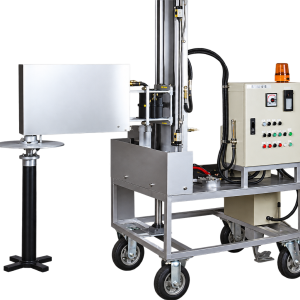
Depending on the equipment and process, operators can add the flux manually, use an immersion bell, or inject the powder into the melt.
Proper mixing helps distribute the flux throughout the molten metal and supports an effective reaction.
3. Allow the Reaction to Take Place
After adding the flux, the melt needs sufficient reaction time.
During this period, the active components react with unwanted elements and oxides in the melt.
The required treatment time depends on the melt temperature, alloy composition, impurity concentration, and treatment method.
4. Remove the Reaction Products
After the reaction period, operators can skim the surface and remove the resulting material.
Foundries can repeat the treatment when necessary based on melt analysis and the required target composition.
What Are the Benefits?
The right flux can provide several benefits during aluminum melt treatment.
Reduces Magnesium and Calcium
A dedicated magnesium and calcium removal flux can reduce unwanted levels of magnesium and calcium in molten aluminum.
Depending on the formulation, the flux can also target other alkaline and alkaline-earth elements such as sodium and lithium.
Therefore, the treatment can help foundries achieve better control of melt chemistry.
Helps Remove Oxides
In addition to reducing unwanted elements, selected flux formulations can help remove oxides from molten aluminum.
As a result, the treatment can address multiple melt-quality concerns within the same process.
Supports Cleaner Melt Treatment
Effective fluxing helps operators manage unwanted elements and oxide contamination.
Consequently, the right flux can support more consistent melt treatment and improve overall process control.
Low Smoke and Odour
Working conditions are another important consideration during flux treatment.
SCHÄFER Metallurgie offers flux solutions with very low smoke and odour emissions for specific aluminum melt treatment applications.
This can help create a cleaner and more comfortable working environment around the melting operation.
Suitable for Different Furnace Applications
Foundries use different furnace types and melt treatment methods.
Schaefer flux solutions are available for a range of aluminum melting and holding applications. The appropriate product depends on the alloy, furnace configuration, treatment method, and operating conditions.
When Should You Use Magnesium and Calcium Removal Flux?
Not every aluminum melt requires magnesium or calcium removal.
The treatment becomes relevant when melt analysis shows that the concentration of these elements exceeds the required specification or when the production process requires additional control.
Therefore, foundries should first determine the actual melt composition before selecting a treatment flux.
A combination of melt analysis, correct flux selection, controlled addition, and proper mixing provides a more reliable approach to melt treatment.
Magnesium and Calcium Removal in Aluminum Die Casting
Controlling melt chemistry can become especially important in aluminum die casting.
This is particularly relevant when foundries use recycled aluminum or when changes in raw material composition affect the melt.
In these situations, a suitable melt treatment can help bring the metal composition closer to the required specification.
As a result, foundries can maintain better control over their melting process and reduce unwanted variations in molten metal quality.
Choosing the Right Flux for Your Aluminum Melt
Flux selection should consider several factors, including:
- Jenis aluminium alloy
- Magnesium and calcium concentration
- Other unwanted elements
- Furnace type
- Melt temperature
- Fluxing method
- Treatment requirements
There is no single flux formulation that suits every aluminum melting application.
Therefore, selecting the right solution requires an understanding of both the melt chemistry and the production process.
Schaefer Flux Solutions for Aluminum Foundries
SCHÄFER Metallurgie provides a range of metallurgical solutions for aluminum melt treatment.
Depending on the application, these solutions can help foundries control unwanted elements, remove oxides, improve melt cleanliness, and manage dross.
At PT Wilisindomas Indahmakmur, we support Indonesian foundries with technical guidance and metallurgical solutions from SCHÄFER Metallurgie.
Our team can help evaluate your application based on the aluminum alloy, furnace type, melt condition, and treatment requirements.
Need to Reduce Magnesium or Calcium in Your Aluminum Melt?
If your melt analysis shows excessive magnesium or calcium, the right flux can help control the melt composition.
Contact PT Wilisindomas Indahmakmur to discuss your aluminum melt treatment requirements and find the appropriate Schaefer flux solution for your application.